The Cost of Custom Home Building in Rhode Island: A 2026 Market Guide
If you are planning to build a custom home in Rhode Island in 2026, the first question is almost always about the budget. However, finding accurate numbers online can be frustrating. Most general contractor websites offer vague estimates that do not account for the specific realities of building in the Ocean State—such as coastal compliance, historic review and the cost of true custom detailing.
Design & BuildBy Paul Vespia, Founder4 min read
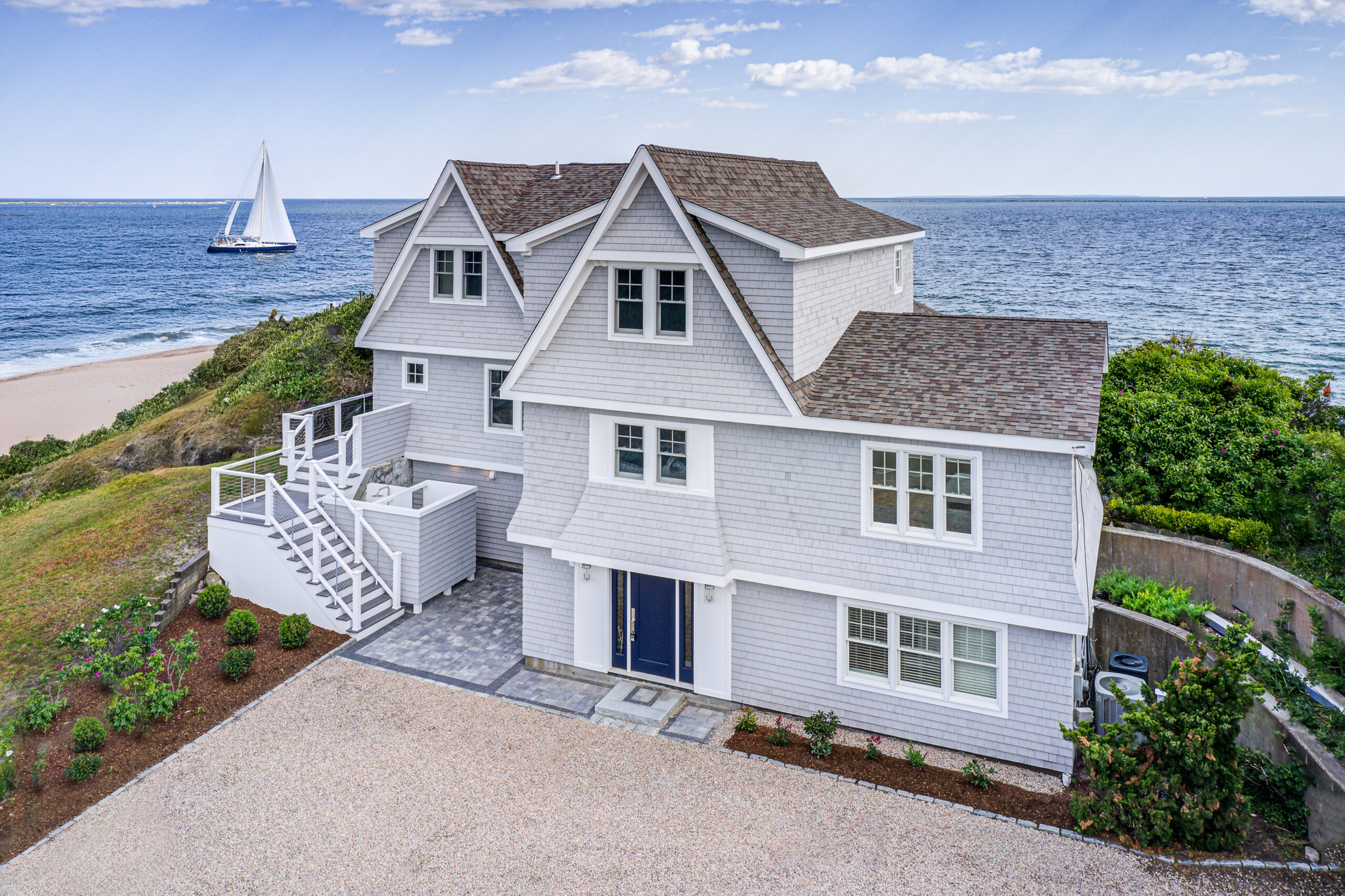
At Hill & Harbor Design + Build, we believe transparency is the foundation of a successful project. This guide breaks down the real market costs for custom residential construction in Rhode Island for 2026, helping you move from rough estimates to a realistic budget.
2026 Cost Estimates Per Square Foot For a custom home in Rhode Island, "average" prices rarely apply because no two sites are the same. However, based on current labor rates, material costs, and regulatory requirements in towns like Newport, East Greenwich, and Providence, here are the realistic tiers you can expect for 2026.
Est. Cost Per Sq. Ft.
Est. Cost Per Sq. Ft.
Standard finishes, basic appliances, stock cabinetry, vinyl siding/windows. (Rare for custom projects).
Est. Cost Per Sq. Ft.
Architectural detailing, hardwood floors, custom cabinetry, stone countertops, hardy exterior materials (e.g., cedar/composite).
Est. Cost Per Sq. Ft.
Premium architectural design, smart home integration, CRMC-compliant engineering, luxury millwork, slate/copper roofing.
These ranges represent construction costs (Hard Costs) and typically exclude land acquisition and site-specific complexities.
What is the difference between hard costs and soft costs?
Hard costs are the tangible construction spend (labor, materials, structure), usually about 75 to 80 percent of a Rhode Island custom-home budget. Soft costs cover design, permitting, engineering and related planning, typically 20 to 25 percent, and they must be counted early or the total will surprise you.
A common mistake for homeowners is focusing solely on the "Hard Costs" (the bricks and sticks) while underestimating the "Soft Costs" required to get the project out of the ground. In Rhode Island, Soft Costs are significant due to our rigorous zoning and historic preservation standards.
1. Hard Costs (~75-80% of Budget)
These are the tangible costs of construction. In 2026, we are seeing specific pressure points in this category:
Skilled trades in Rhode Island (specifically finish carpenters and masons) are in high demand, keeping rates steady to rising.
- Materials: While lumber has stabilized, finish materials (windows, doors, and appliances) continue to see longer lead times and price increases.
- Site Work: Rhode Island’s rocky soil (the "ledge") often requires blasting or specialized excavation, which can quickly impact the hard cost budget.
2. Soft Costs (~20-25% of Budget)
Soft costs cover the planning, legal, and design work required before a shovel hits the ground.
Architectural & Design Fees
Detailed plans are necessary not just for aesthetics, but for accurate pricing and permitting.
- Permitting & Engineering: This includes standard building permits but also CRMC assents for waterfront properties, septic designs (OWTS), and Historic District Commission (HDC) approvals in towns like Providence or Bristol.
- Insurance & Legal: Builder’s risk insurance and zoning legal fees.
Why does custom home cost vary so much across Rhode Island?
Site location drives cost as much as square footage. Coastal CRMC work, high-wind window requirements, and historic-district detailing add engineering and material premiums that an inland lot in Exeter simply does not face, so per-square-foot ranges only make sense once the town and site constraints are known.
Building a home in Exeter is financially different from building on the cliffs of Newport. Two major factors influence cost variability in our state:
The Coastal Premium (CRMC)
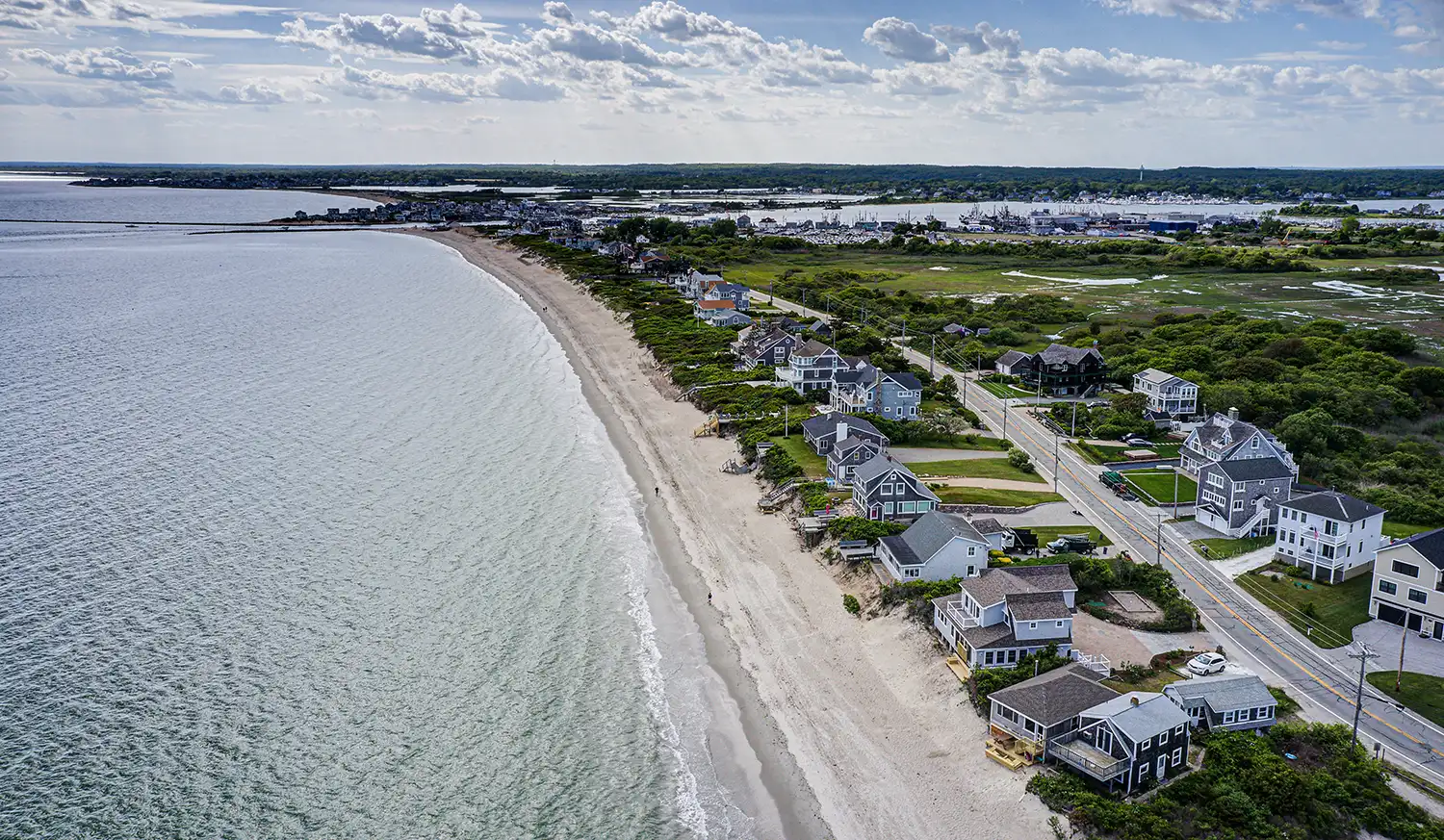
If your property is within the jurisdiction of the Coastal Resources Management Council (CRMC), your build will require specialized engineering. Costs often increase due to:
Impact-Resistant Windows
Mandatory for high-wind zones.
- Corrosion-Resistant Materials: Stainless steel fasteners and copper flashing to withstand salt air.
- Elevated Foundations: Pile driving or flood-compliant foundations for FEMA flood zones.
Historic District Requirements
Renovating or building in historic districts (like East Greenwich’s Hill and Harbor district or Newport’s Historic Hill) often requires specific materials. You may be required to use genuine wood clapboard instead of vinyl, or true-divided-light wood windows, which come at a premium over standard modern alternatives.
How does design-build help control a custom home budget?
When architecture and construction sit under one studio, pricing and buildability are checked while the design is still flexible. That reduces the late redesign cycles common in design-bid-build, where a separate builder prices finished drawings and finds the budget only after the plans are locked.
In the traditional "Design-Bid-Build" model, homeowners hire an architect and a builder separately. This often leads to a "sticker shock" moment where the architectural plans come back 30% over budget because the architect wasn’t pricing materials in real-time.
At Hill & Harbor Design + Build, we eliminate this disconnect. By integrating design and construction under one roof, we price the project as we design it. This allows us to value-engineer expensive details before they are finalized, ensuring your design matches your financial comfort zone.
For a unified approach to managing these budgets, explore our Rhode Island Design-Build Services.
While 2026 prices reflect a premium market, a custom home is a generational asset. The key to controlling costs is not cutting corners, but detailed planning and selecting the right team to navigate Rhode Island’s unique building landscape.